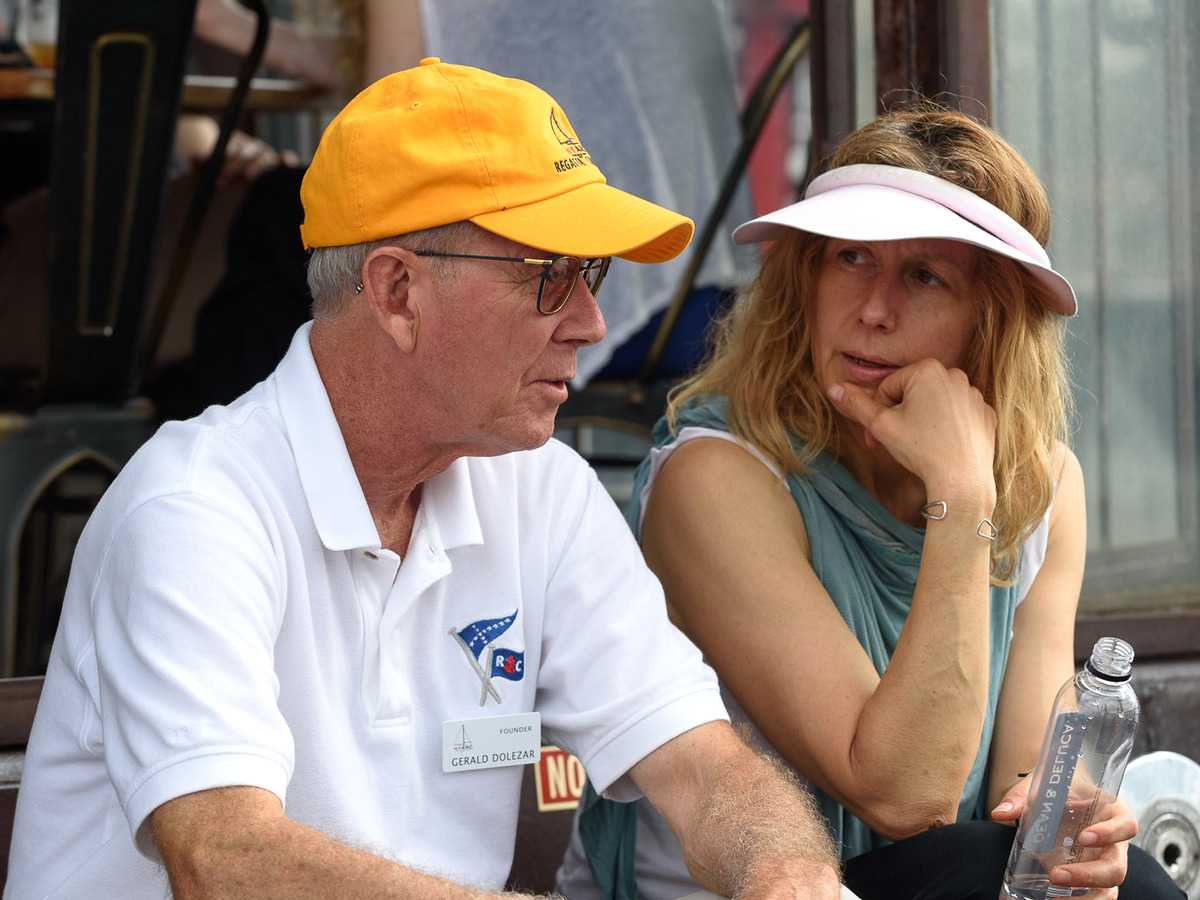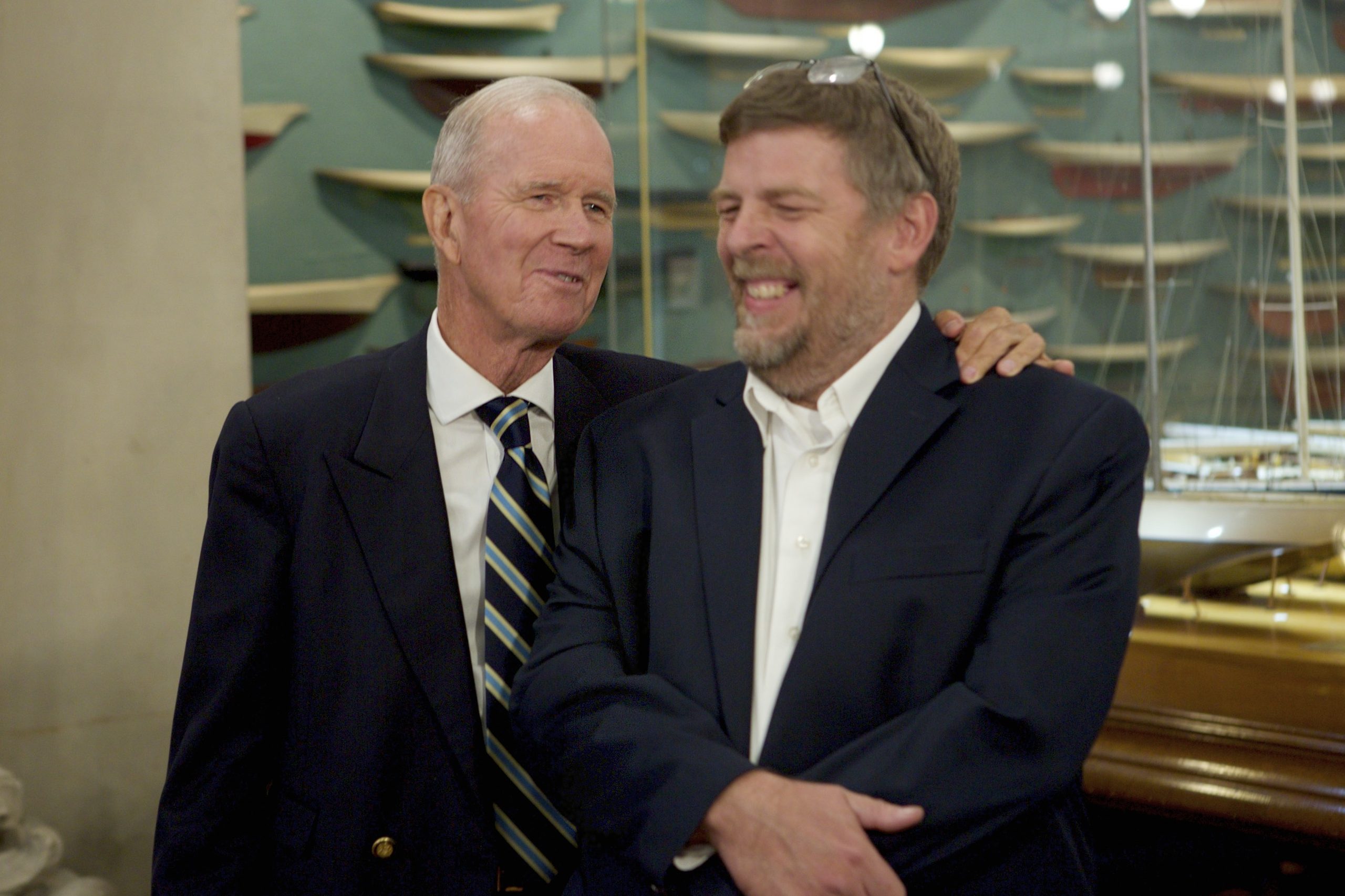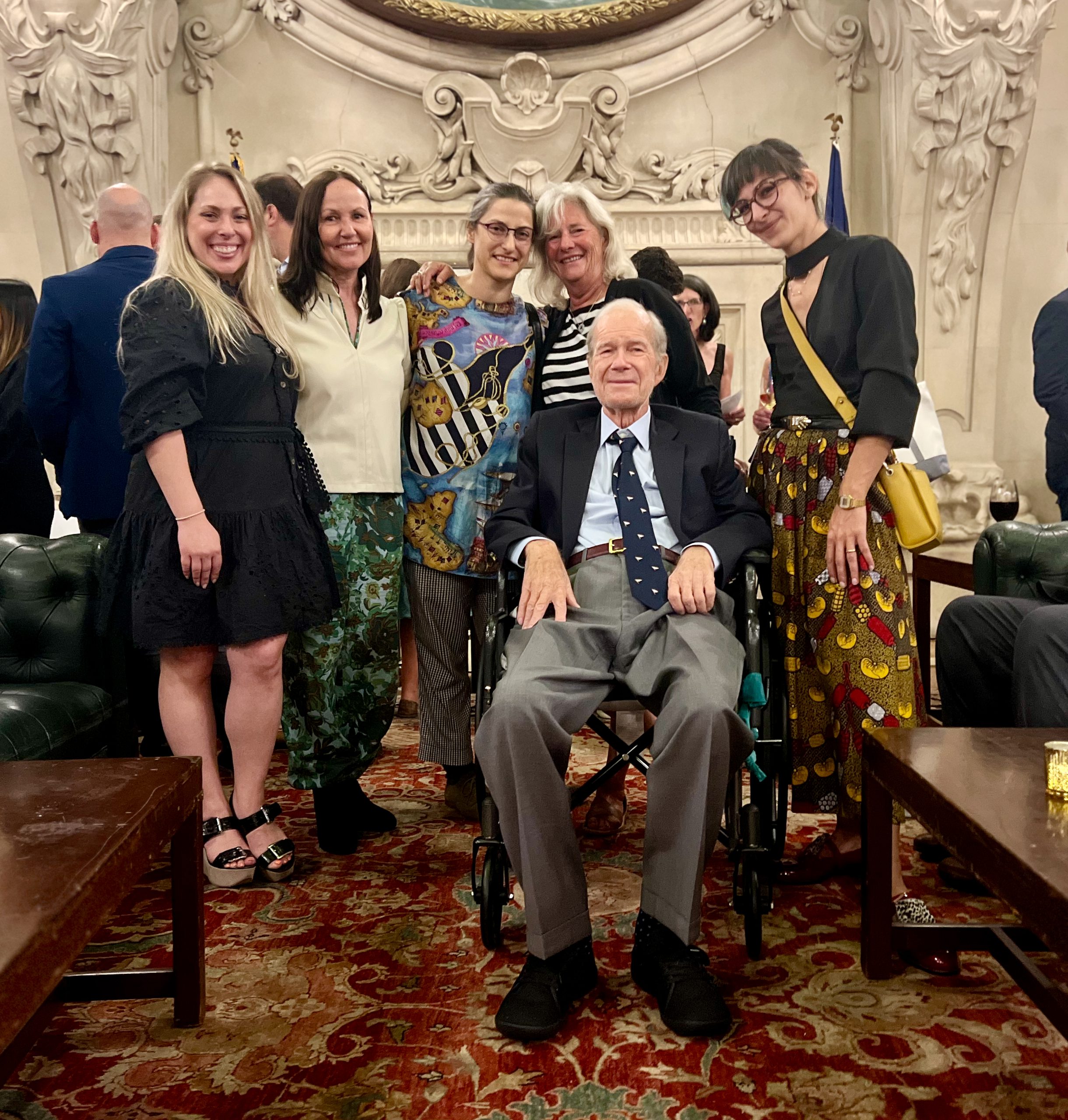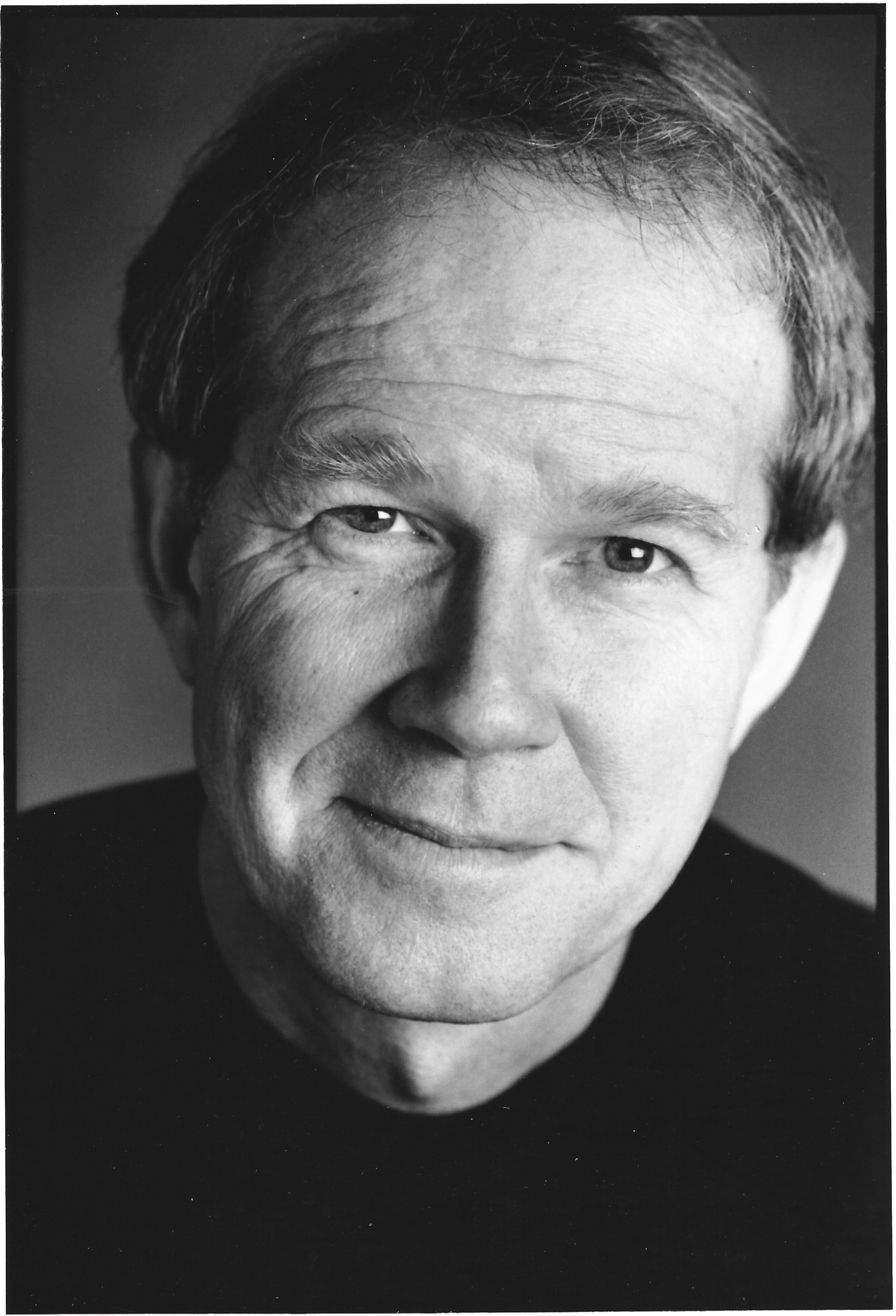
Gerry Dolezar, founder of the New York Architects Regatta, passed away shortly after the 2026 Regatta.
Many of us knew Gerry through his work in architectural metalwork and the regatta he founded, but there was much more to his life. I knew he was a classic car enthusiast, an avid sailor and croquet player, and that he had worked in music. Only recently did I learn that the artists he worked with included Grammy, Emmy and Tony award winners. I hadn’t known that he also worked as a model and appeared in several films, including Bullets over Broadway.
Born in Myrtle Springs, Texas, Gerry studied at the University of North Texas and the University of Texas before finding his way into the music business. His first job, selling for a small music company in Dallas, helped him discover his ear for music. He freelanced in the music industry from 1972 to 1976 before working with New York jingle writer Ed Labunski. After Labunski’s death, Gerry founded Radio Kings and helped pioneer the use of established recording artists in advertising music.
A 1987 Rolling Stone article described his work with performers including Gary Wright, Southside Johnny, Jimmy Cliff and the Temptations. Gerry was not a musician himself; his talent lay in recognizing what these artists could bring to advertising and connecting them with new opportunities. As he explained the company’s name, “They are the kings of their profession … they’re the Radio Kings.”
IMDb lists three acting credits for Gerry in films released in 1994 and 1995, but his work in film extended beyond acting. In 1997, he served on the student awards jury at the Hamptons International Film Festival. Reporting on his appointment, the East Hampton Star described him as a music representative and short film producer.
What struck me, as I learned more about Gerry’s life, was how little of it he had volunteered. He would talk about his past if you asked, and he wasn’t shy about sharing a story. But in my experience, he never bragged. A friend he had taught to play croquet hadn’t known he was a sailor. His architectural metalwork clients are surprised when I mention his music career. He was interested in the people around him and whatever might happen next. For someone with such a varied career, Gerry spent remarkably little time looking back.
Gerry once told me that when people asked him to describe his job, he would reply, “I go to lunch with people.” Behind the humor, I think there was some truth to that. Gerry connected with people. That helped bring the regatta into being, and bringing people together remains a fundamental part of the event. It’s a legacy we can carry forward.